12 min read
Understanding Narcissism: A Comprehensive Guide to Identifying and Responding
A deep dive into what narcissism really is, the red flags to watch for, and how to guard your well-being when dealing with manipulative behavior.
Recognize narcissistic red flags, victim mentality patterns, and manipulation tactics to protect your emotional health.
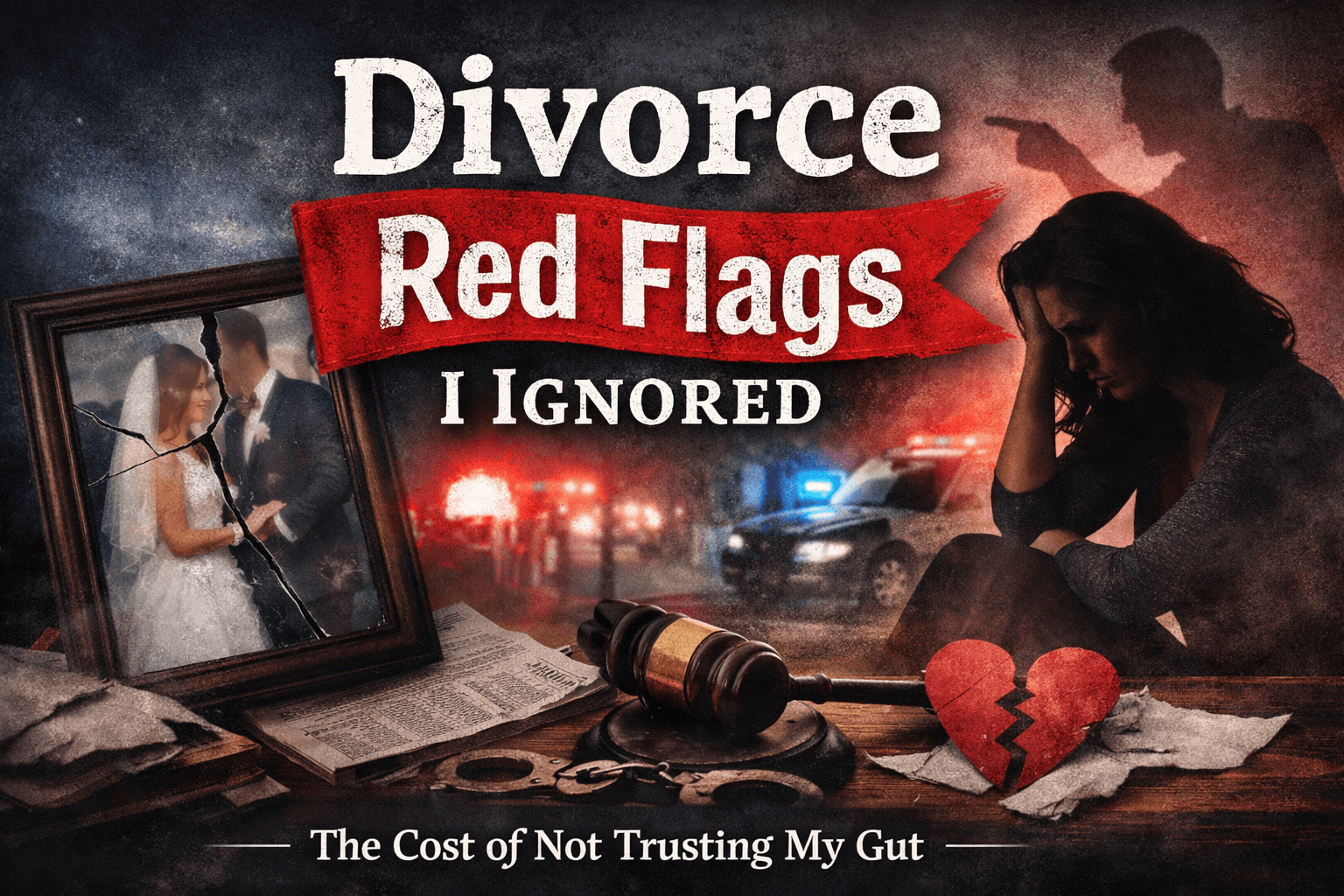
Listen to your family and friends about the red flags. I did not, and it cost me years of peace. Dating a narcissistic partner slowly changed how I saw myself and the people who cared about me. At first everything felt normal, but the warning signs were there from the beginning. Love and the dream of building a family made me ignore what was right in front of me.
My family and friends constantly warned me. Even my partner’s own family members warned me in front of my father. I chose to ignore them because I wanted the relationship to work. Looking back, the red flags were not hidden at all. They were spoken out loud.
These were the stories I heard early in the relationship:
Every story had the same pattern. One person was always the victim and everyone else was cruel. I did not understand then that this constant victim narrative is one of the clearest narcissistic traits.
The victim role was used to make me feel sorry and responsible. During my entire marriage, almost everything in the household was free because people felt bad for the situation. If I was not deaf, I would have seen more clearly how people were being manipulated into giving things.
My family repeatedly told me the partner was narcissistic before, during, and after the marriage. I ignored them because I wanted to start a family and believed things would change.
I should have listened to how ex partners were talked about. Every ex was painted as abusive or crazy. There was never responsibility, only blame. It is not hard to recognize these red flags, but I chose to look away.
During the marriage I heard statements that still echo in my head:
Those were not angry comments. They were long term plans said with confidence. My family heard them too and tried to warn me again.
Red flags are not small misunderstandings. They are patterns of character. When many people who love you see the same danger, believe them. Love should feel safe and calm, not like a constant rescue mission.
If your family is worried about the person you are dating, slow down. Narcissistic manipulation happens slowly, especially when you are vulnerable. Listening to family can protect your mental health, your children, and your future.
If this story feels familiar, consider speaking with a therapist, counselor, or trusted advocate. Healing begins when the truth is allowed to exist out loud.
Constant victim stories, blaming ex partners, using sympathy to get free things, and refusing responsibility are major warning signs.
Yes. When several trusted people notice the same behavior, it is worth pausing and looking carefully instead of defending the partner.
Keep reading
12 min read
A deep dive into what narcissism really is, the red flags to watch for, and how to guard your well-being when dealing with manipulative behavior.
6 min read
A candid look at questioning abuse claims without proof, the risks of ignoring evidence gaps, and why discernment safeguards genuine victims and future partners.